
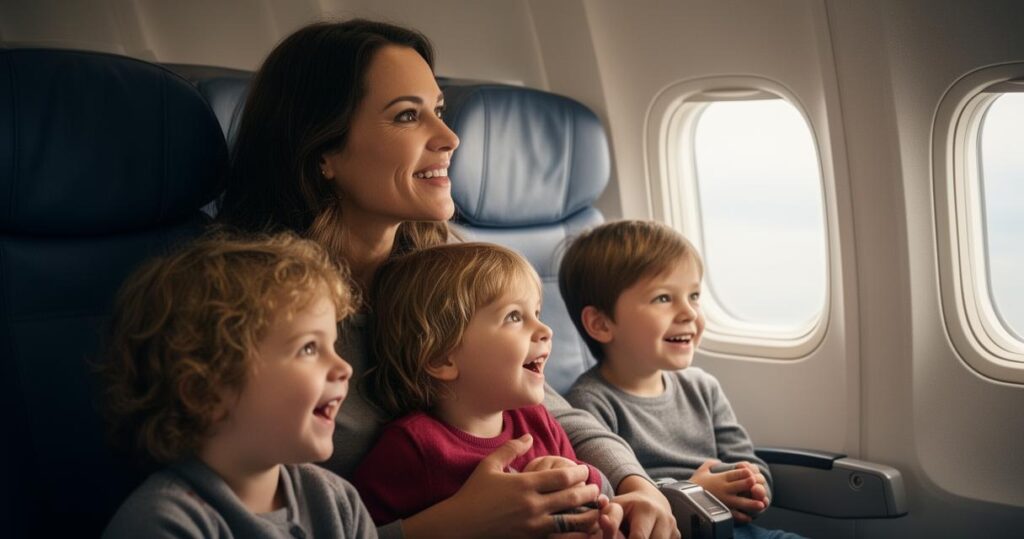
Travelling as a family has long carried a hidden worry for many parents: the fear of being separated from young children due to seat assignment fees. United Airlines has now responded to this concern with a fresh approach to family seating, easing the financial pressure that once made booking flights together such a stressful affair. This shift is being welcomed by households across the country, particularly those planning trips to popular spots such as Los Angeles or Punta Cana.
At a glance
- United Airlines has significantly reduced seat assignment fees to allow families with young children to sit together without extra charges.
- The policy aims to alleviate parental anxiety and simplify travel budgeting by removing the financial penalty previously associated with family seating.
- Families booked under the same reservation are prioritized for adjacent seats, facilitating smoother boarding processes and a better overall experience for children.
- While the reaction is largely positive, some travellers remain concerned about seat availability during peak periods and limitations for larger families.
- Certain fare types continue to be excluded from the new policy, leading some passengers to request greater transparency regarding seat allocation.
- United's move reflects a broader industry trend where US airlines are reassessing seating policies to maintain customer loyalty and respond to increasing regulatory pressure.
Understanding united airlines' new family seating policy
The airline has decided to significantly reduce the charges previously attached to selecting seats next to one another, a move that directly targets the frustration many families have experienced when booking flights. Under the old system, parents often had to pay extra simply to guarantee their children would not be seated rows away from them, which understandably caused a great deal of anxiety, especially on longer journeys. The updated approach removes much of that burden, allowing families to plan their trips with greater peace of mind and without feeling penalised for wanting to sit beside their own children.
How the reduced seating fees benefit travelling families
For parents juggling suitcases, prams and restless toddlers, knowing that seating arrangements will be sorted without an extra financial sting is a genuine relief. The reduced fees mean that budgeting for a holiday becomes simpler, as families no longer need to factor in a surprise cost purely to stay together in the cabin. This is particularly valuable for those flying to sought-after destinations, where every penny saved on logistics can instead go towards making memories once they land. The change also reduces the stress of last-minute seat shuffling at the gate, a scenario many parents will recognise all too well.
Key Details of the Policy Implementation and Eligibility Criteria
United has structured the policy so that it applies broadly across many of its domestic and select international routes, with particular attention paid to flights carrying younger children who require close supervision. The airline has clarified that families booking together under one reservation will typically be prioritised for adjacent seating without incurring the previous premium charges. There remain some nuances depending on fare class and route, so travellers are encouraged to check specific conditions when booking, but the overarching aim is clear: to make family seating straightforward rather than a financial gamble.
Passenger reactions: what families are saying about the changes
Since the announcement, social media and travel forums have been buzzing with commentary from parents who have either already benefited from the change or are eagerly anticipating their next booking under the new terms. The response has been largely favourable, though not without a few reservations from seasoned travellers who have seen policy promises come and go before.
Positive Feedback from Parents and Children on Enhanced Flight Experiences
Many parents have expressed genuine relief, describing how previous flights left them anxious about whether their children would end up seated with strangers. Several travellers have shared stories of smoother check-ins and calmer boarding experiences now that the seating question feels less like a lottery. Younger passengers, too, seem to benefit indirectly, as being seated beside a parent or sibling tends to make the whole journey feel less daunting, particularly for first-time flyers or those prone to nerves in unfamiliar environments.
Mixed reviews and areas where travellers feel further improvements are needed
That said, not every voice has been entirely celebratory. Some frequent flyers have pointed out that while the fee reduction is a welcome gesture, there remain concerns about availability during peak travel periods, when even reduced-cost seating together cannot always be guaranteed due to high demand. Others have called for further transparency around how seat allocation actually works behind the scenes, wanting clearer communication rather than vague assurances. A few travellers have also noted that:
- larger families with more than four members sometimes still struggle to find adjoining rows
- certain budget fare types remain excluded from the improved policy
- customer service responsiveness varies depending on the booking channel used
These points suggest that while the policy marks progress, there is still room for United to refine its approach further.
Industry Context: How United's Move Compares to Competitors and Regulatory Trends
United's decision does not exist in isolation. It reflects a wider shift taking place across the American aviation sector, where airlines are increasingly aware that customer goodwill and loyalty often hinge on seemingly small but deeply felt issues such as family seating.
Competitive pressures driving major us airlines to reassess seating policies
Rival carriers have been watching closely, aware that families represent a substantial and loyal segment of leisure travellers. As competition intensifies for this demographic, other major airlines may feel compelled to follow suit or risk losing bookings to carriers perceived as more family-friendly. This competitive dynamic has already prompted subtle changes across the industry, with several companies quietly reviewing their own seating fee structures in response to shifting passenger expectations.
Aligning with Aviation Administration Regulations and Passenger Rights Advocacy
Beyond simple market pressure, there is also a regulatory dimension at play. Passenger rights advocates have long argued that charging extra to keep young children seated near their guardians borders on unfair practice, and aviation authorities have begun signalling closer scrutiny of such fees. United's adjustment appears well-timed to align with these emerging expectations, potentially positioning the airline favourably should stricter guidelines eventually be introduced. For now, the move stands as a meaningful step towards a more considerate and family-conscious approach to civil aviation, one that many hope other carriers will soon mirror.