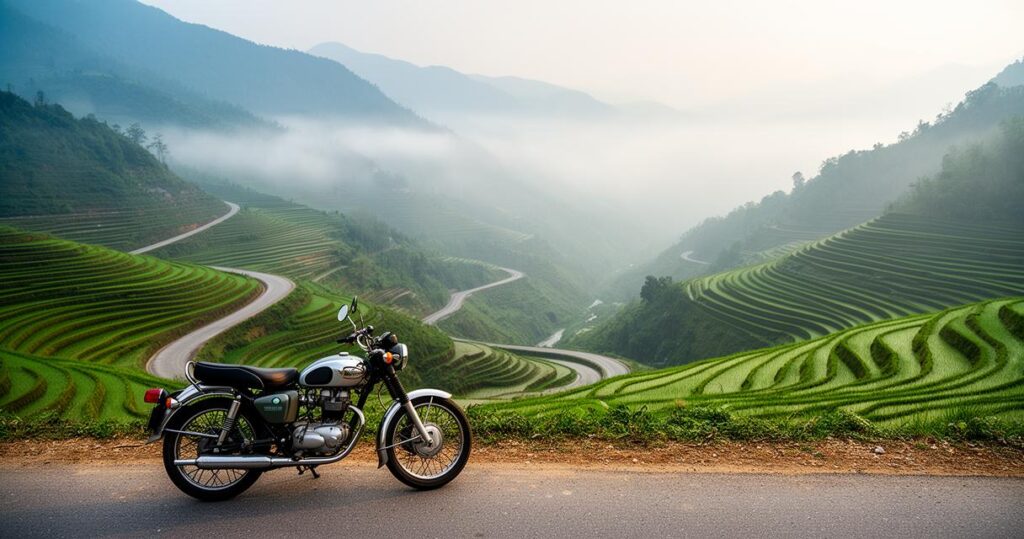
There's something irresistible about the roar of an engine against a backdrop of terraced rice paddies and mist-covered mountains. For travellers craving something beyond the usual sightseeing checklist, a journey through Vietnam on two wheels offers an unforgettable blend of freedom, discovery and genuine cultural connection that few other destinations can match.
The essentials
- Motorcycle travel in Vietnam offers unique freedom and cultural immersion through diverse landscapes ranging from northern mountains to coastal roads.
- Selecting the right timing is crucial, with the best riding conditions typically found during the drier months of spring and autumn.
- Travelers must ensure they have the correct international driving permits and prioritize high-quality safety gear for unpredictable road conditions.
- Renting from reputable local providers is essential for bike reliability, especially when exploring remote areas away from major towns.
- Traveling by motorbike provides unparalleled access to local life, allowing for spontaneous interactions with ethnic communities in the northern highlands.
- Sampling authentic street food at roadside stalls is a highlight of the journey, offering a culinary experience that surpasses typical tourist restaurants.
Planning your ultimate vietnamese motorbike journey
Before setting off, a bit of groundwork goes a long way towards making your vietnam motorcycle trip both smooth and memorable. The country stretches from the bustling north down to the tropical south, and each region offers a completely different flavour of riding, so working out where your priorities lie is the first proper step.
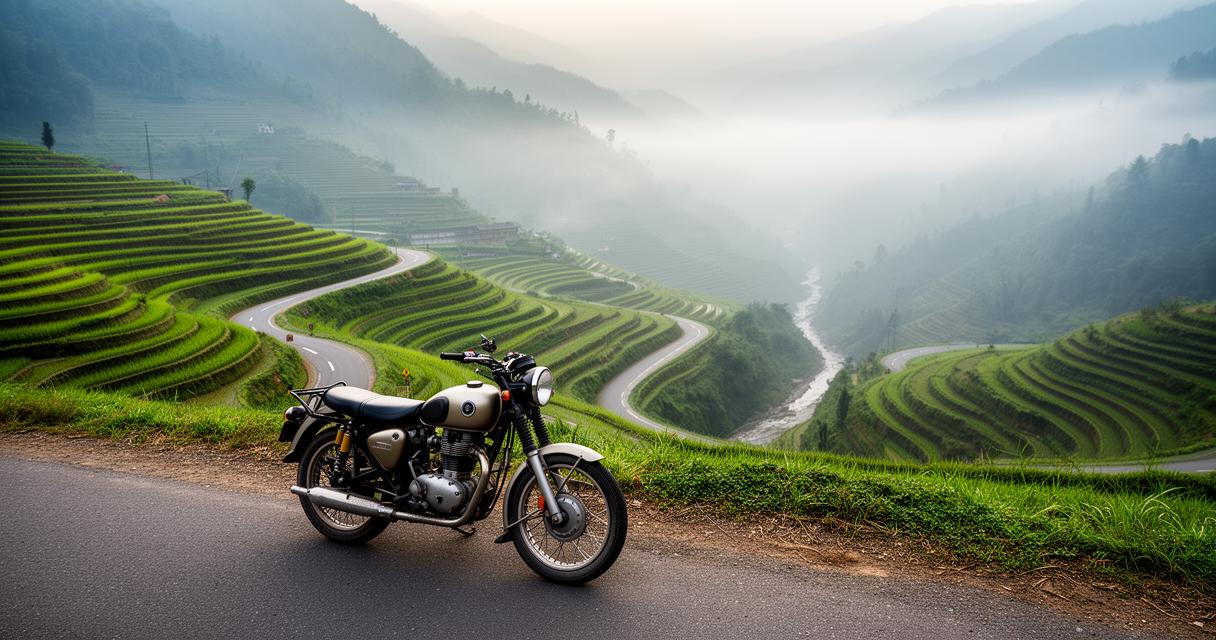
Essential route selection and timing considerations
The classic route many riders choose runs along the spine of the country, taking in the dramatic Hai Van Pass near Da Nang or venturing into the far north to tackle the legendary loops around Ha Giang. These northern roads wind through limestone karsts and deep valleys, offering some of the most jaw-dropping scenery imaginable, while the central coastline gives riders long, flowing stretches with the sea glimmering alongside. Timing matters enormously here, as the wet season can turn mountain roads treacherous, so most experienced travellers aim for the drier months between February and April, or again in the autumn, when visibility is better and the roads far safer to navigate.
Necessary Permits and Safety Equipment for the Road
Getting the paperwork sorted is not the most exciting part of the adventure, but it's a crucial one. Depending on your nationality and the size of the bike you intend to hire, an international driving permit alongside a Vietnamese motorbike endorsement may be required, and it's worth checking this well ahead of departure rather than leaving it to chance at the border. Equally important is proper safety kit, including a decent helmet, sturdy boots and weatherproof gloves, since road conditions can shift dramatically within a single afternoon. A few sensible items to pack include:
- A lightweight rain jacket for sudden downpours
- A basic tool kit and spare inner tube
- A phone mount and offline map for remote stretches
Hiring from a reputable local outfit rather than the cheapest option available is also worth considering, as bike reliability becomes far more important once you're several hours from the nearest town.
Immersing Yourself in Vietnam's Rich Heritage on Two Wheels
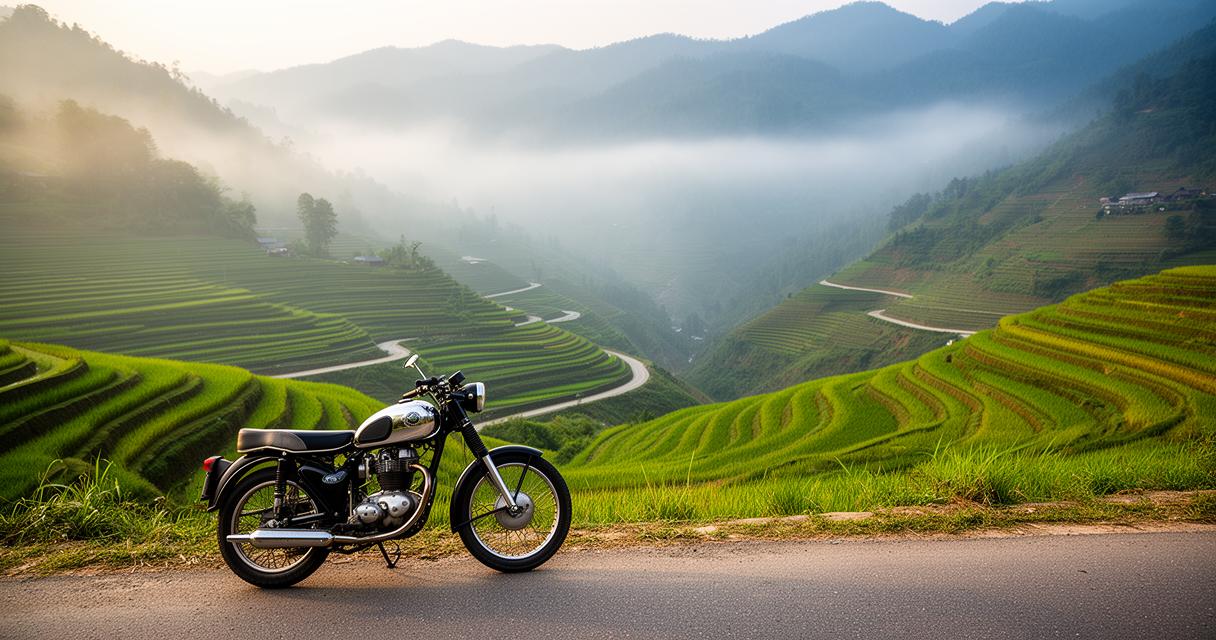
What truly sets a motorcycle journey apart from a standard bus tour is the sheer level of access it grants to everyday Vietnamese life. Riding slowly through villages, pausing wherever curiosity strikes, and chatting with locals at roadside stalls creates a kind of intimacy that's simply impossible to replicate from behind a coach window.
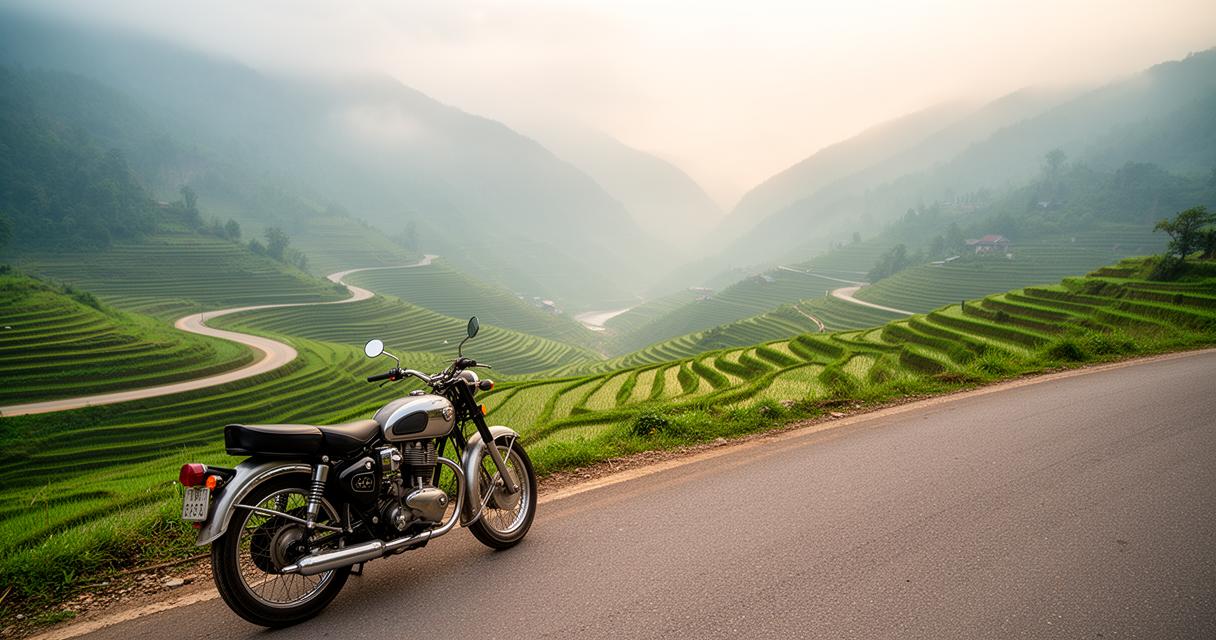
Encountering local communities along remote mountain passes
Many of the ethnic minority communities living in the northern highlands, including the Hmong and Tay peoples, welcome curious travellers with a warmth that often surprises first-time visitors. Stopping in small hillside markets, watching artisans weave traditional fabrics, or simply sharing a pot of tea with a family along the roadside offers a glimpse into a way of life that has remained largely unchanged for generations. These encounters, brief as they may be, tend to linger far longer in the memory than any scenic viewpoint.
Sampling authentic street cuisine during your riding adventure
No proper exploration of Vietnam would be complete without pulling over for food, and the country's culinary landscape rewards those willing to stray from tourist-heavy restaurants. A steaming bowl of pho eaten at a plastic stool beside the road, or freshly grilled skewers picked up from a smoky roadside stand, often taste far better than anything found in a guidebook-recommended eatery. Riders frequently discover that the smallest, least conspicuous stalls serve the most memorable meals, and part of the joy lies in simply following your nose and trusting local recommendations along the way. This sense of spontaneous exploration is precisely what makes travelling by motorbike so rewarding, turning even a short detour into an opportunity for genuine cultural immersion and thrilling discovery that stays with you long after the engine's switched off.